Sagging & Blocked Gutter Repair in Pakuranga Heights
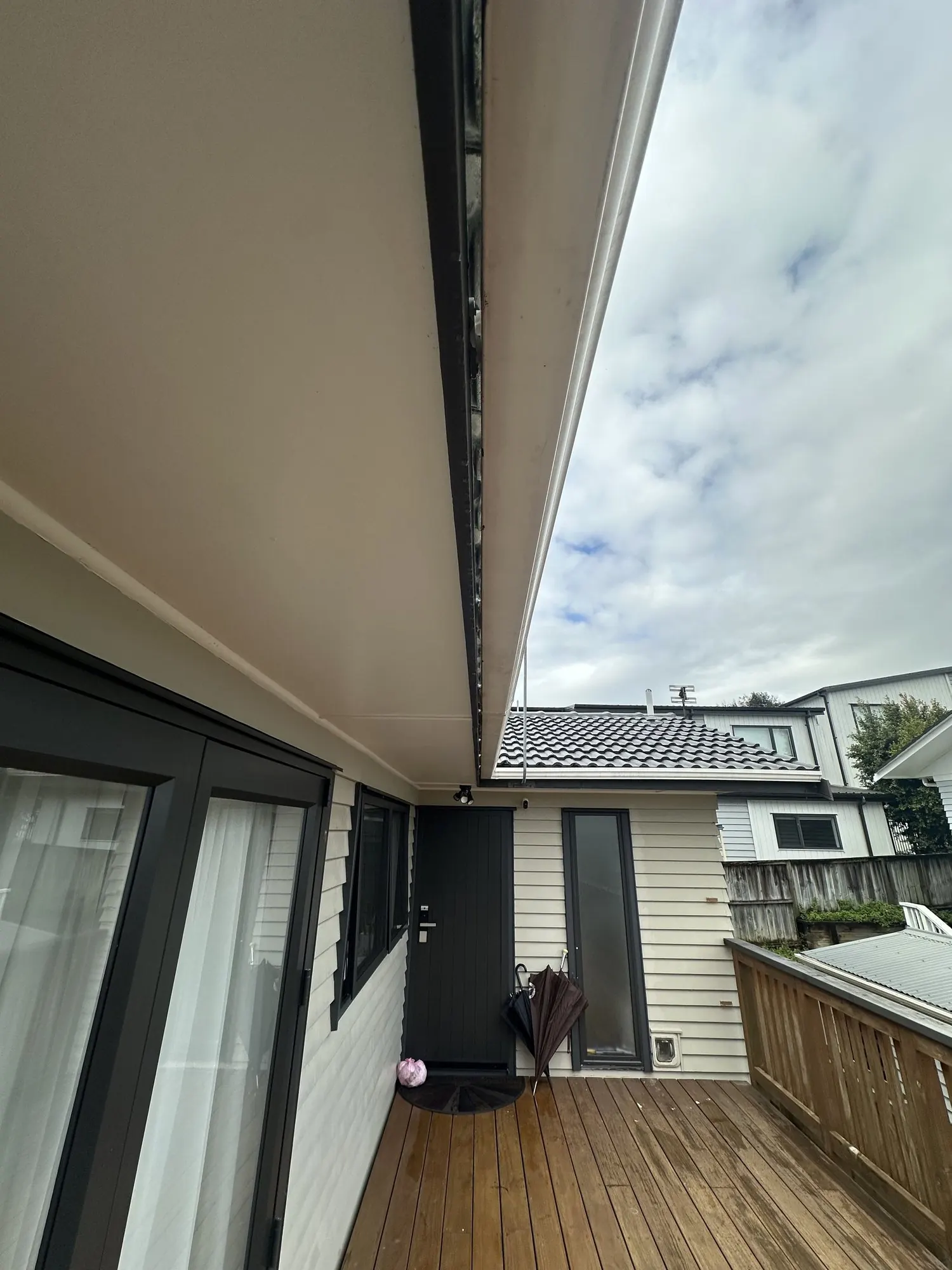
A heavy, blocked gutter had pulled away from the fascia and stopped draining correctly. Rather than replacing a serviceable gutter, the existing section was carefully removed, cleaned, repaired, strengthened and reinstalled.
The Gutter Was Pulling Away From the House
The homeowner contacted Handyman Botany after noticing the gutter separating from the fascia and water overflowing rather than draining correctly during rain.
 BEFORE
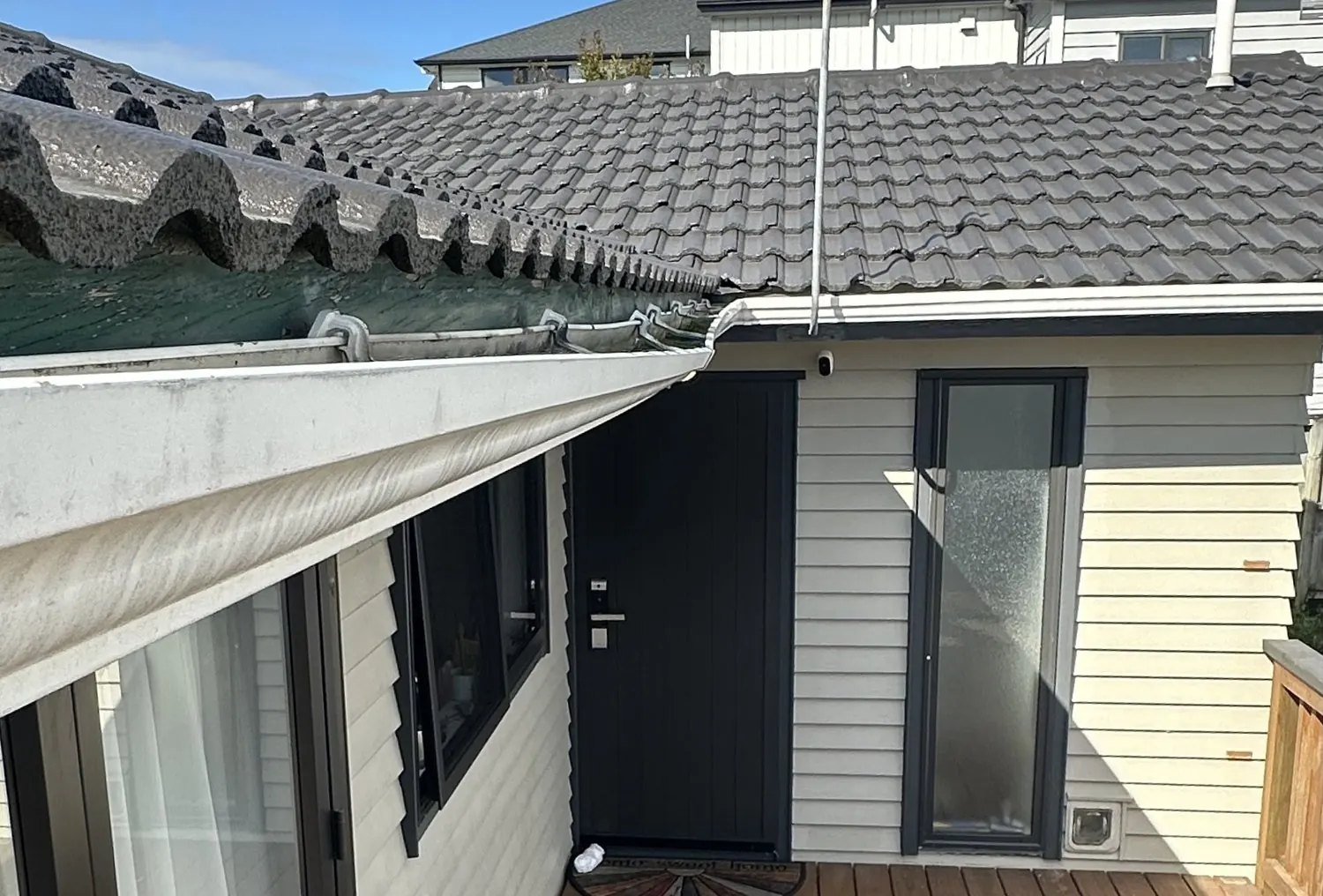
Gutter Pulling Away
The gutter had moved away from the fascia, affecting its alignment and correct drainage fall.
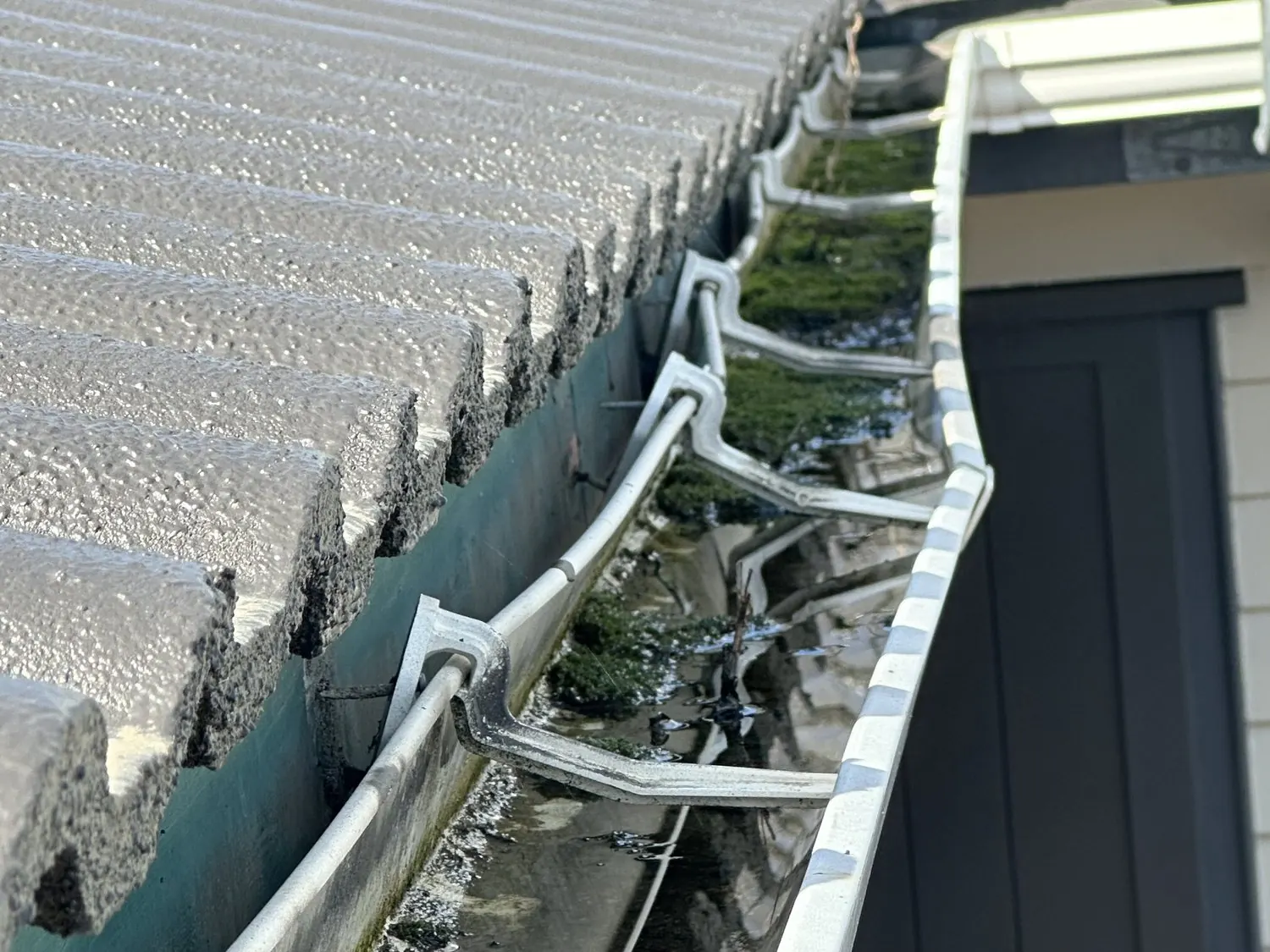 BLOCKED
Unexpectedly Heavy Blockage
The gutter contained a dense mixture of sand-like material, organic debris and residue that had made the section considerably heavier than normal.
Finding the Cause Before Replacing Anything
When the gutter was inspected, it became clear that simply pushing it back into place would not solve the underlying problem. A large amount of heavy material had accumulated inside the approximately three-metre section.
The extra weight had placed considerable strain on the gutter brackets and fixings and contributed to the gutter losing its correct fall. Once the fall changed, water and additional debris could remain in the section, making the problem progressively worse.
Importantly, the gutter itself was still in usable condition. That meant there was an opportunity to repair and reuse it rather than automatically replacing the entire section.
Excessive Weight
Approximately 12–15 kg of wet debris was removed from the affected gutter section.
Incorrect Fall
The overloaded gutter had moved out of alignment and was no longer draining properly.
Gutter Still Serviceable
The original gutter could be retained, helping avoid unnecessary replacement material and additional cost.
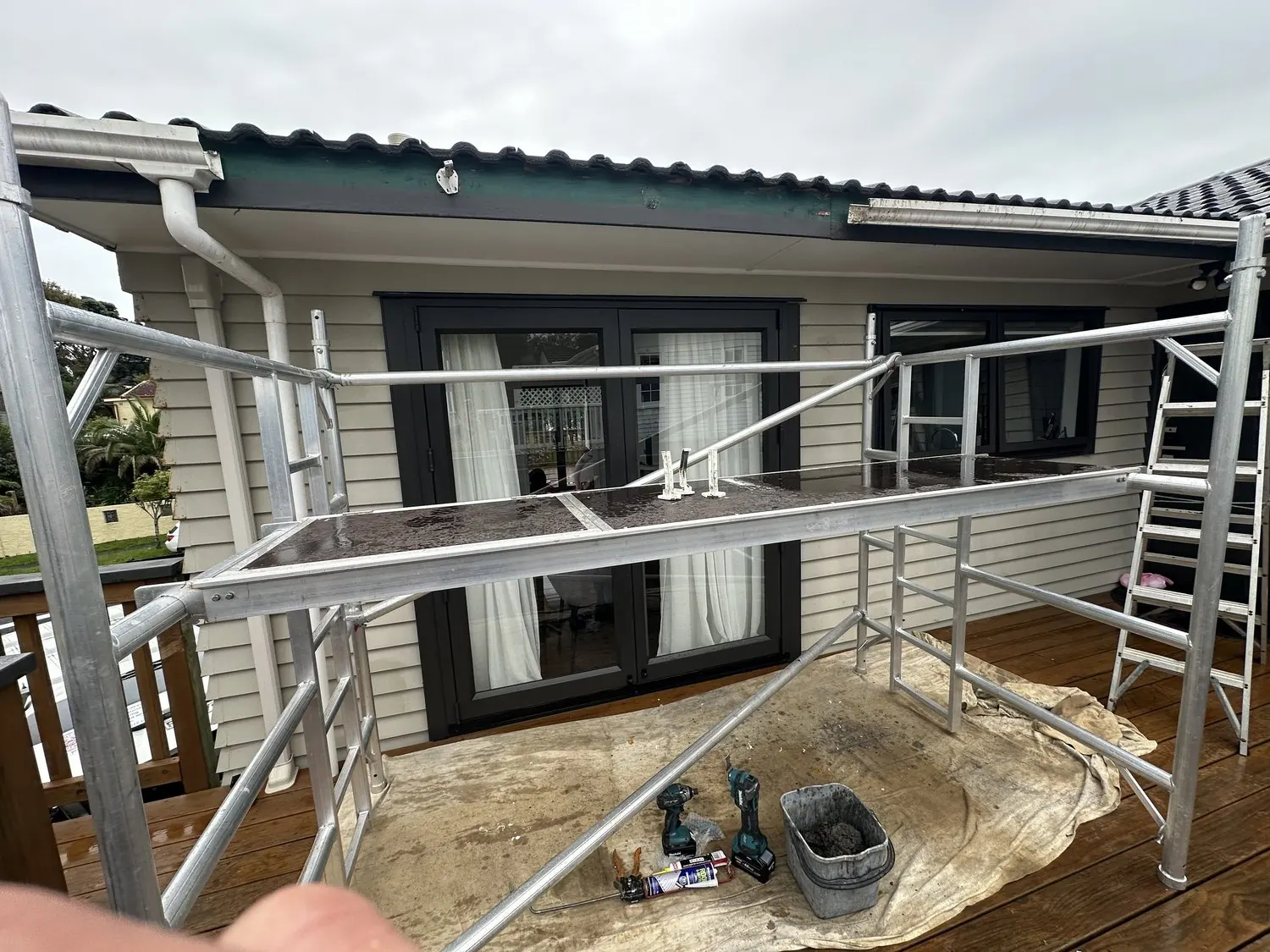
Mobile Scaffold for a Safer, More Stable Repair
To repair the gutter properly, the affected section needed to be removed rather than worked on while hanging from the edge of the roof.
A mobile scaffold was brought to the property and assembled to provide a stable working platform while the silicone joint, brackets and gutter section were removed.
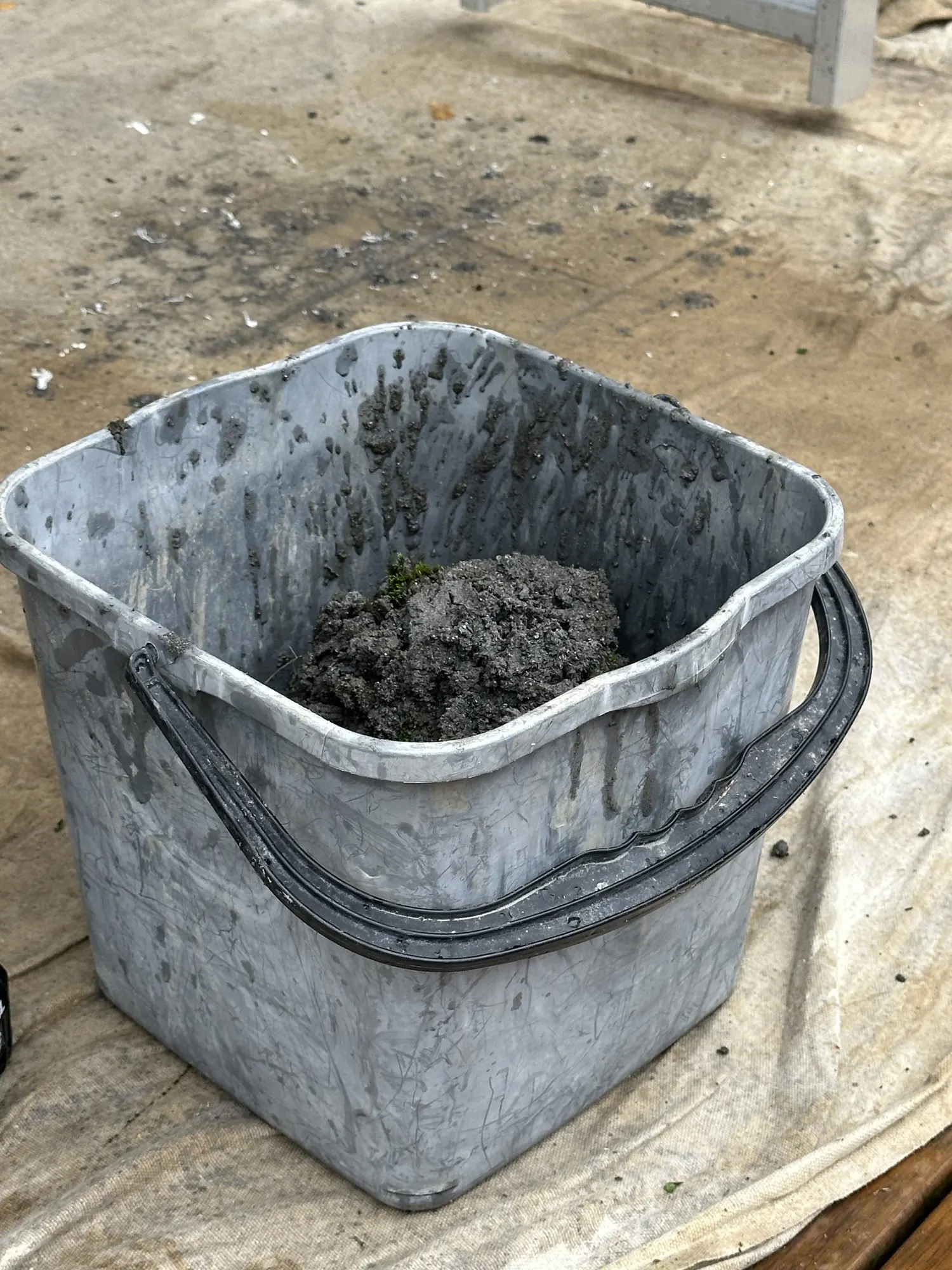
Removed From One Gutter Section
A surprisingly large amount of dense wet debris was collected from approximately three metres of gutter. Removing this weight was an important part of correcting the problem before the gutter was fixed back into position.
Cleaning, Removing and Reinstalling the Existing Gutter
Because the gutter itself was still serviceable, the repair focused on correcting the supports, fixings, alignment and drainage rather than replacing good material unnecessarily.
1Remove the Heavy Debris
The gutter was cleaned first to reduce its weight and make the section safer and easier to handle.
2Remove the Gutter Section
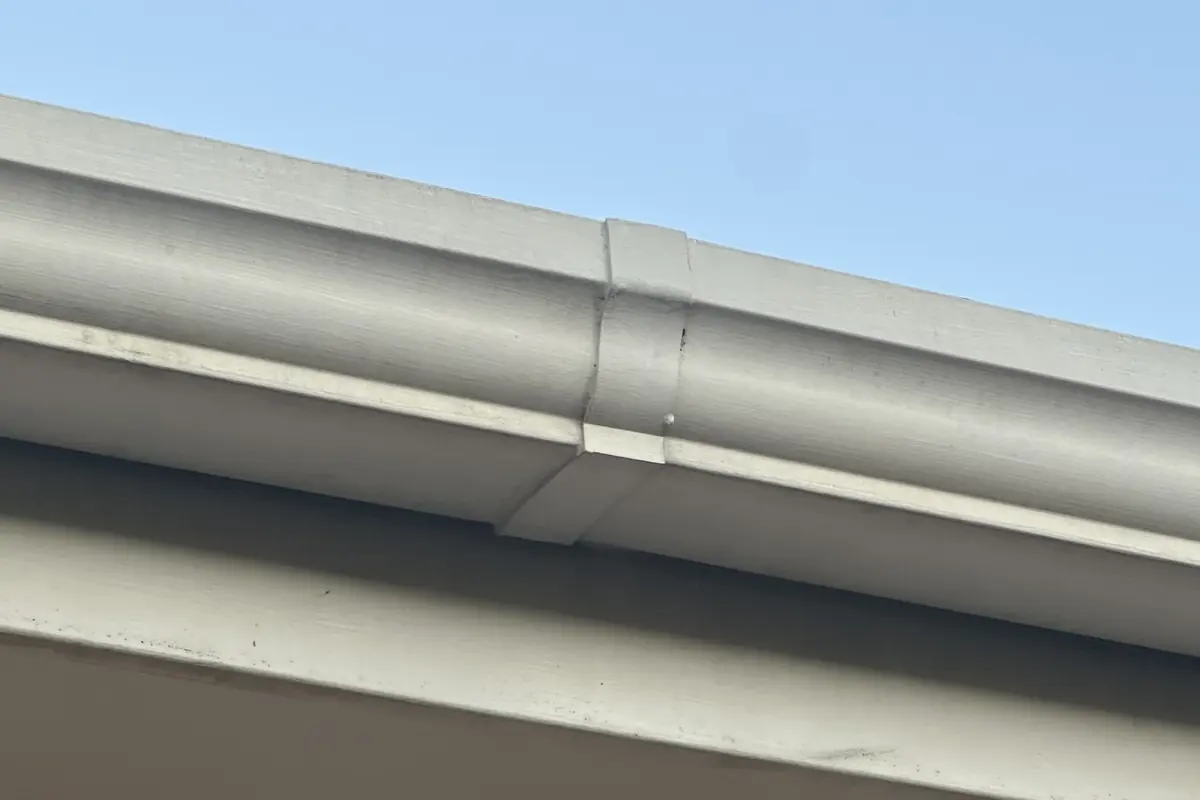
The silicone joint was carefully cut and the affected gutter section removed so the brackets and fixing points could be accessed properly.
 3
3Repair the Supports
Serviceable brackets were retained while damaged or unsuitable brackets were replaced. Longer screws were used where required to provide stronger fixing.
 4
4Reinstall, Seal & Test
The gutter was reinstalled, the joint resealed, the correct drainage fall checked and water introduced to confirm that the system was flowing correctly.
Repaired, Strengthened and Draining Correctly Again
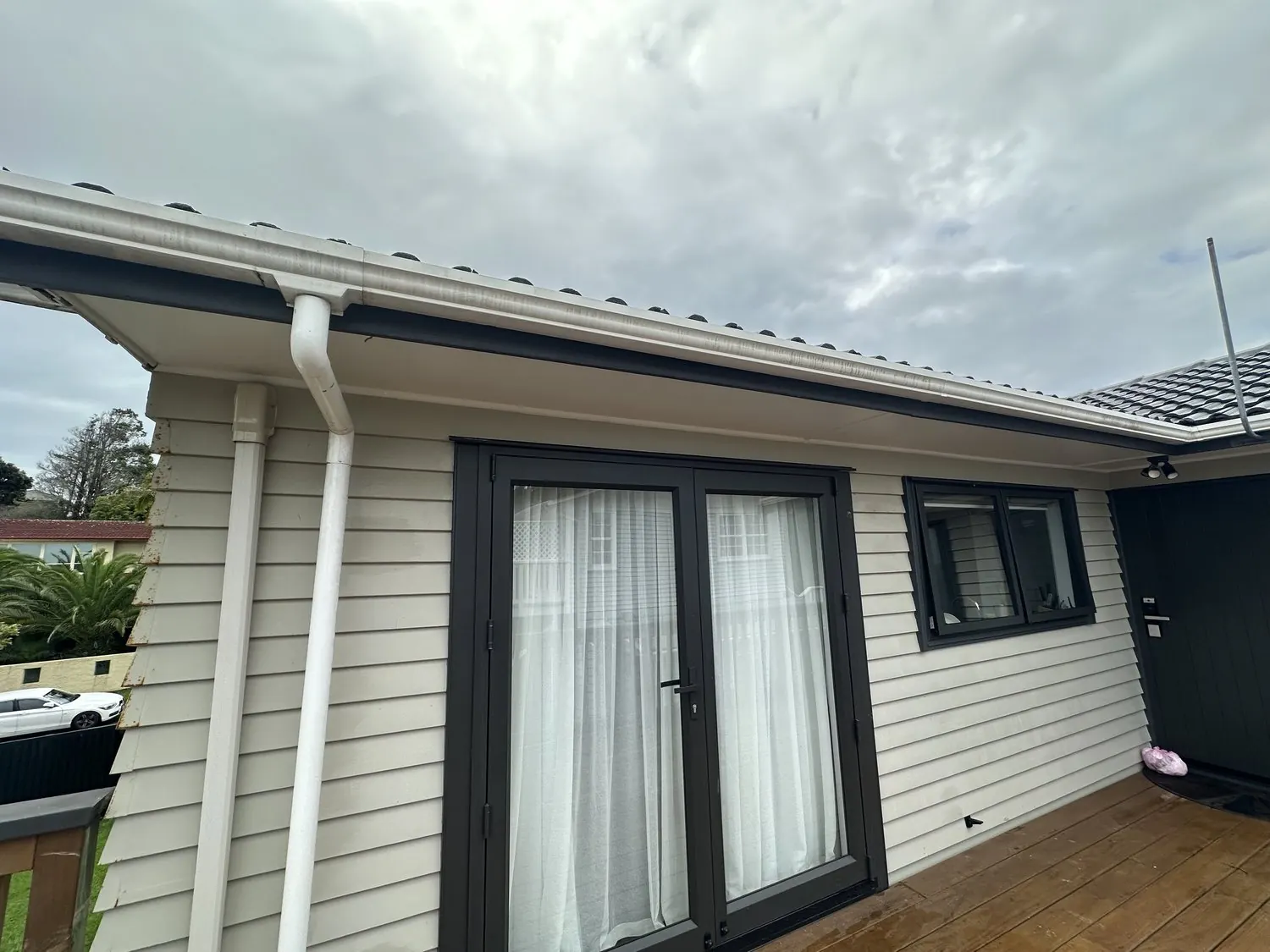
Once the gutter was reinstalled and correctly supported, the drainage was tested with water to confirm that the fall and outlet were working as intended.
The gutter and surrounding fascia were then cleaned, the mobile scaffold removed and the work area left tidy.
Explore Related Handyman Services
Is Your Gutter Sagging or Pulling Away?
Send Handyman Botany a few photos of the affected area. We can assess whether the existing gutter can be repaired or whether replacement is the more practical solution.