About This Gutter Repair
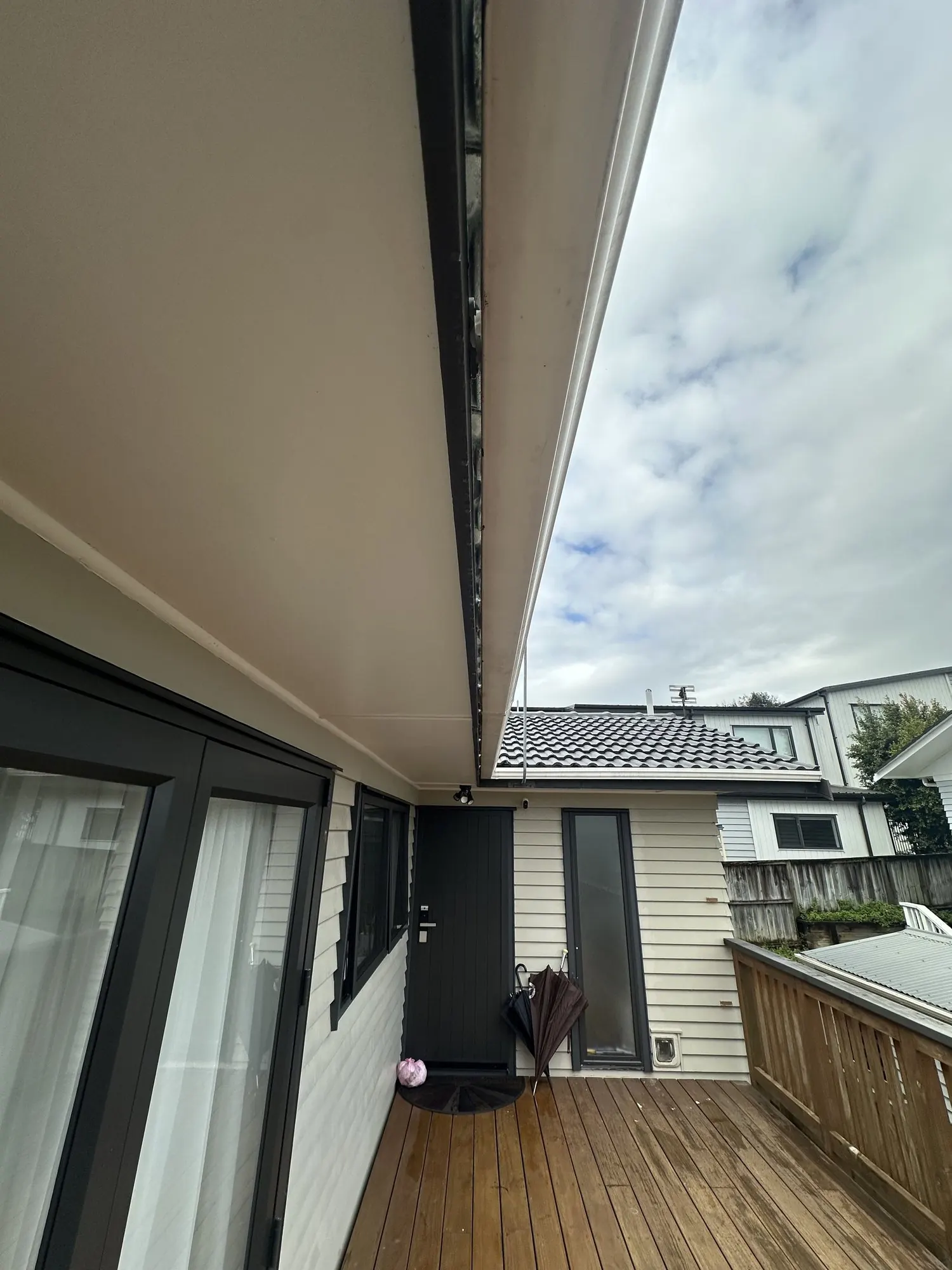
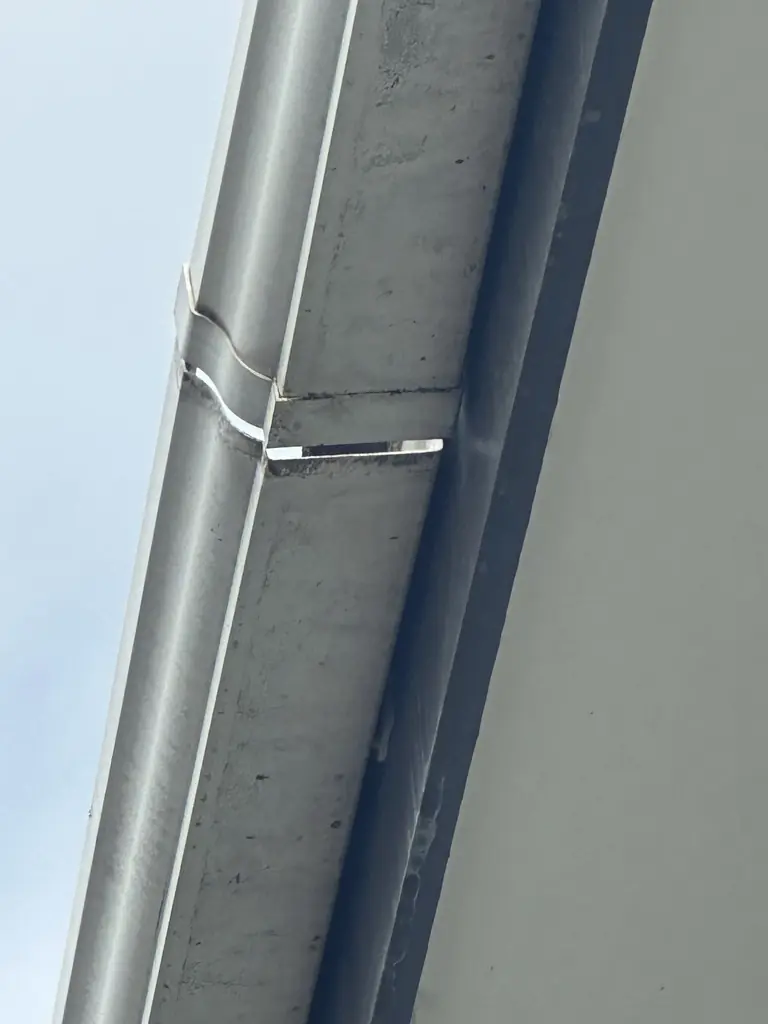
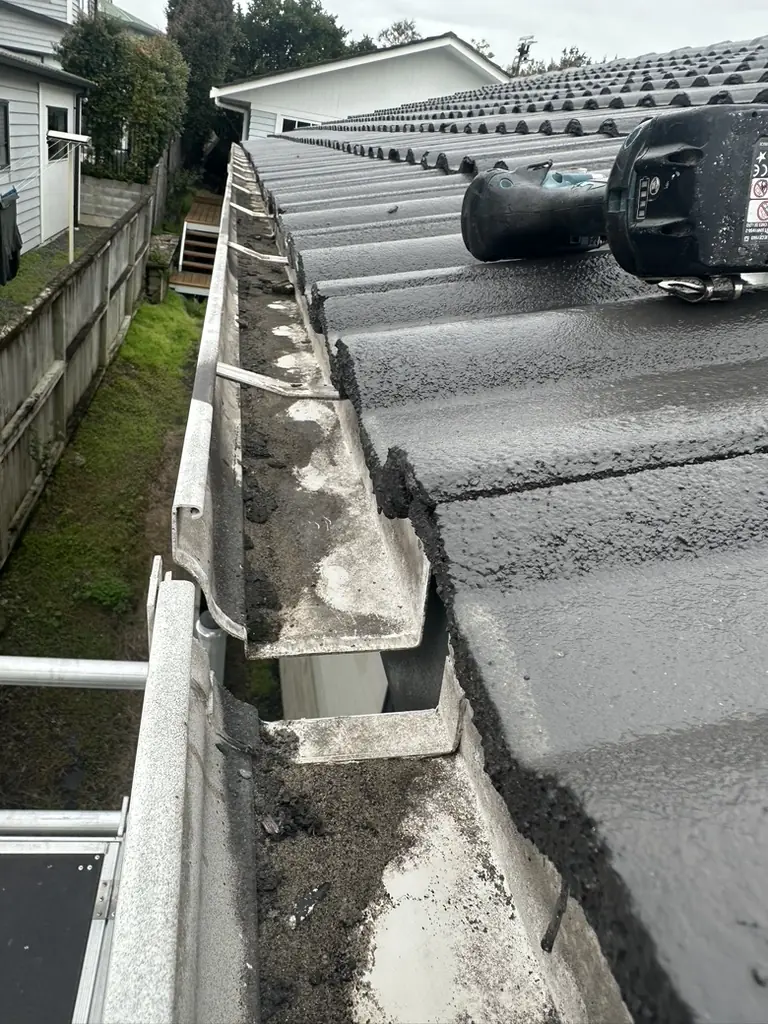
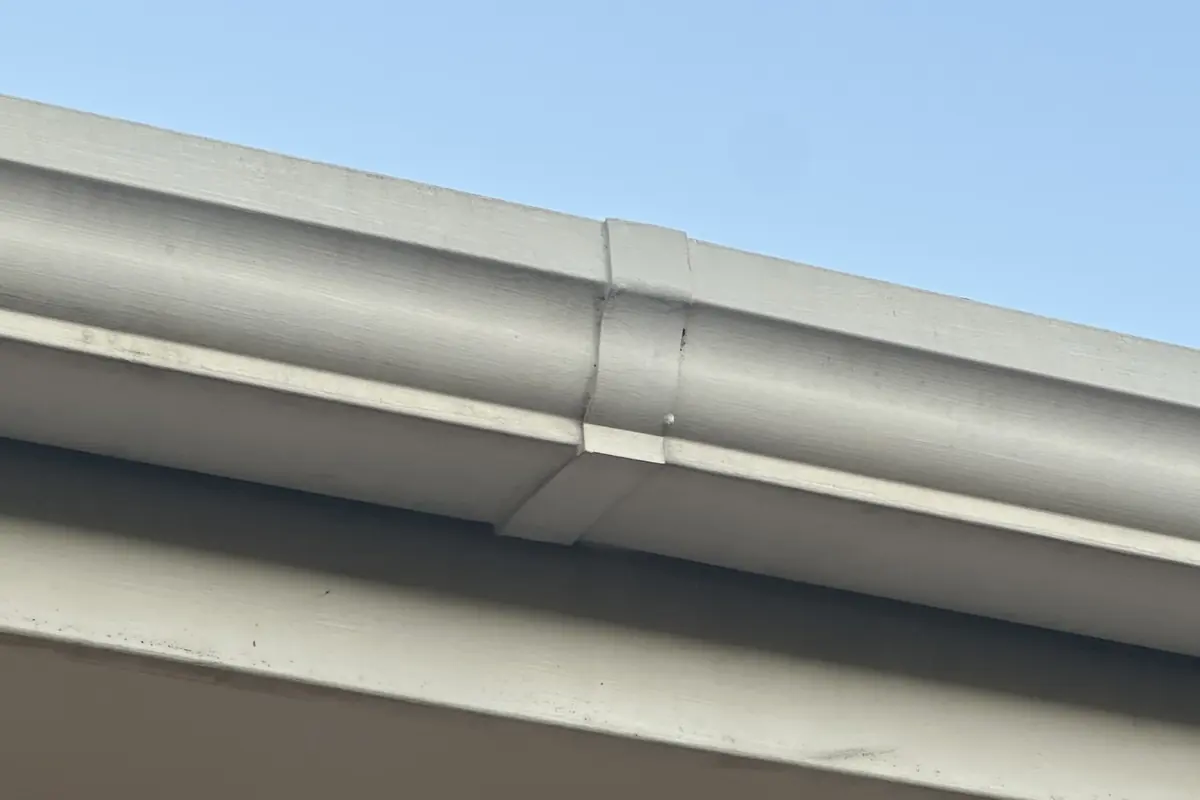
The customer rang and said the gutter was leaking. That is usually a two-minute diagnosis once you can actually see it, and so it was here: a joint between two lengths of spouting had pulled apart.
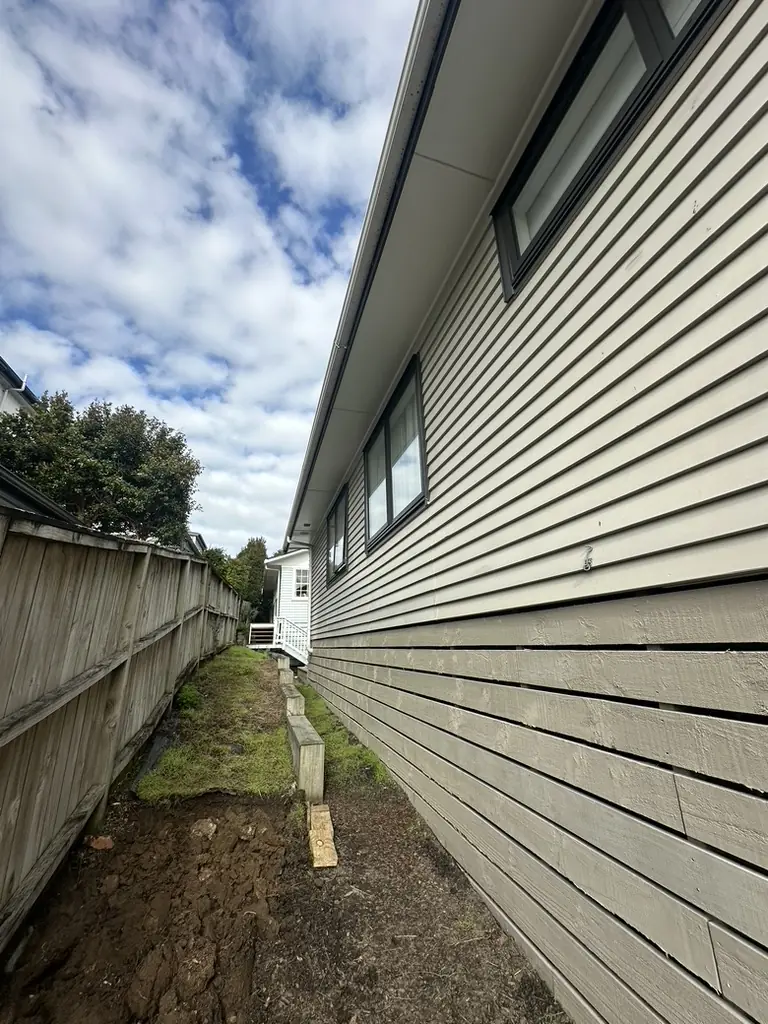
Spouting joints move. Metal expands in the sun and contracts overnight, every day for years, and a joint that was only ever held by sealant will eventually creep. Once the two lengths separate even slightly, water running down the gutter finds the gap and goes over the side instead of along to the downpipe. On this house it had been running down the wall of a narrow passage, which is exactly where you do not want water sitting.
The repair was the easy part. The joint was pulled back together, bonded, and then fixed with a screw so that it is mechanically held rather than relying on the adhesive alone. Glue on its own will do the same thing again in a few summers. The screw is what makes it a repair rather than a postponement.
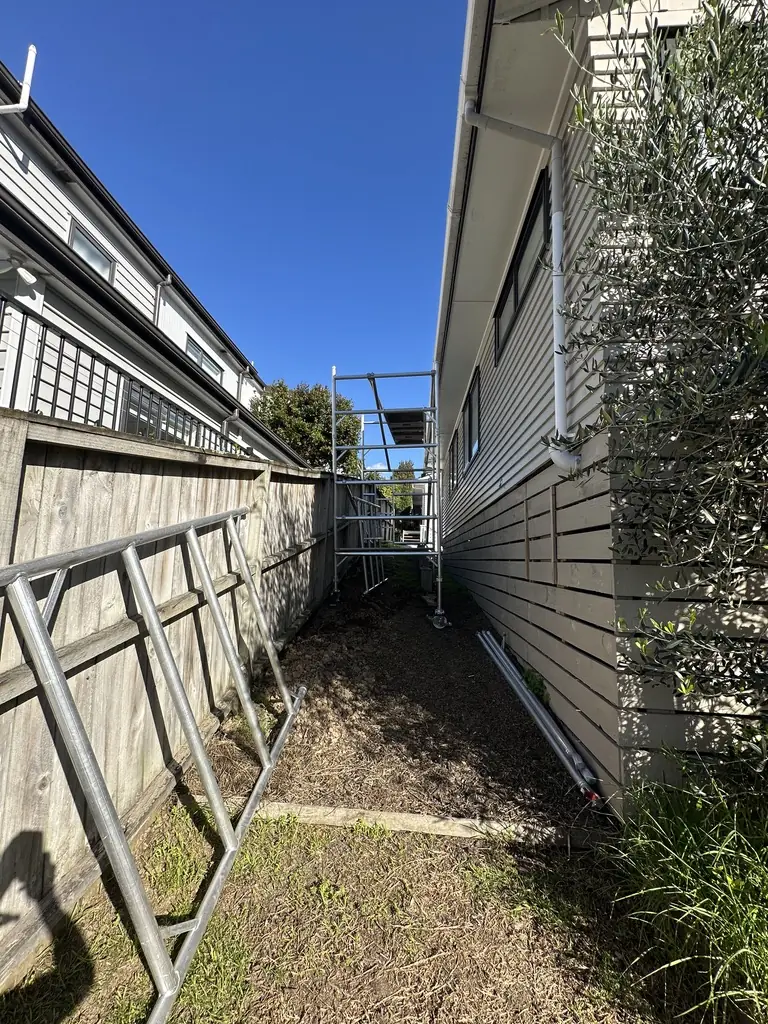
The reason this job is not a thirty-dollar call-out is the access. The gutter runs along a side passage barely wider than a wheelbarrow, with the boundary fence on one side, and it is high. There is no safe way to foot a ladder in there and work with both hands. So the scaffold came in through the gate in sections and went up in the passage, and it came down again afterwards.
That is the honest breakdown of a job like this: a few minutes of repair, and the rest of it spent making it safe to do that repair at all.
An hour and a half, $380, done on my own.
More on why joints are usually the first thing to go, and how to tell from the ground: Why Is My Gutter Leaking at the Joint?