About This Fence Painting Job
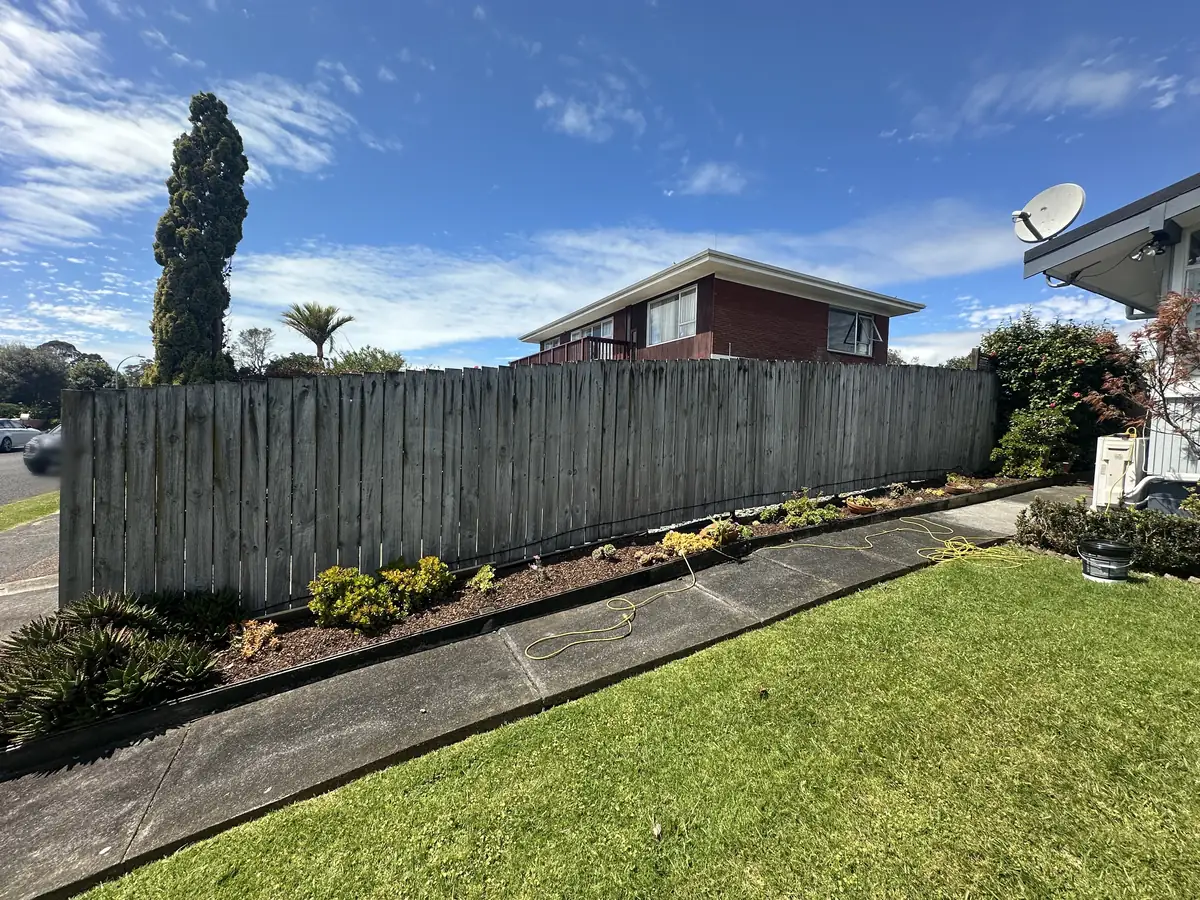
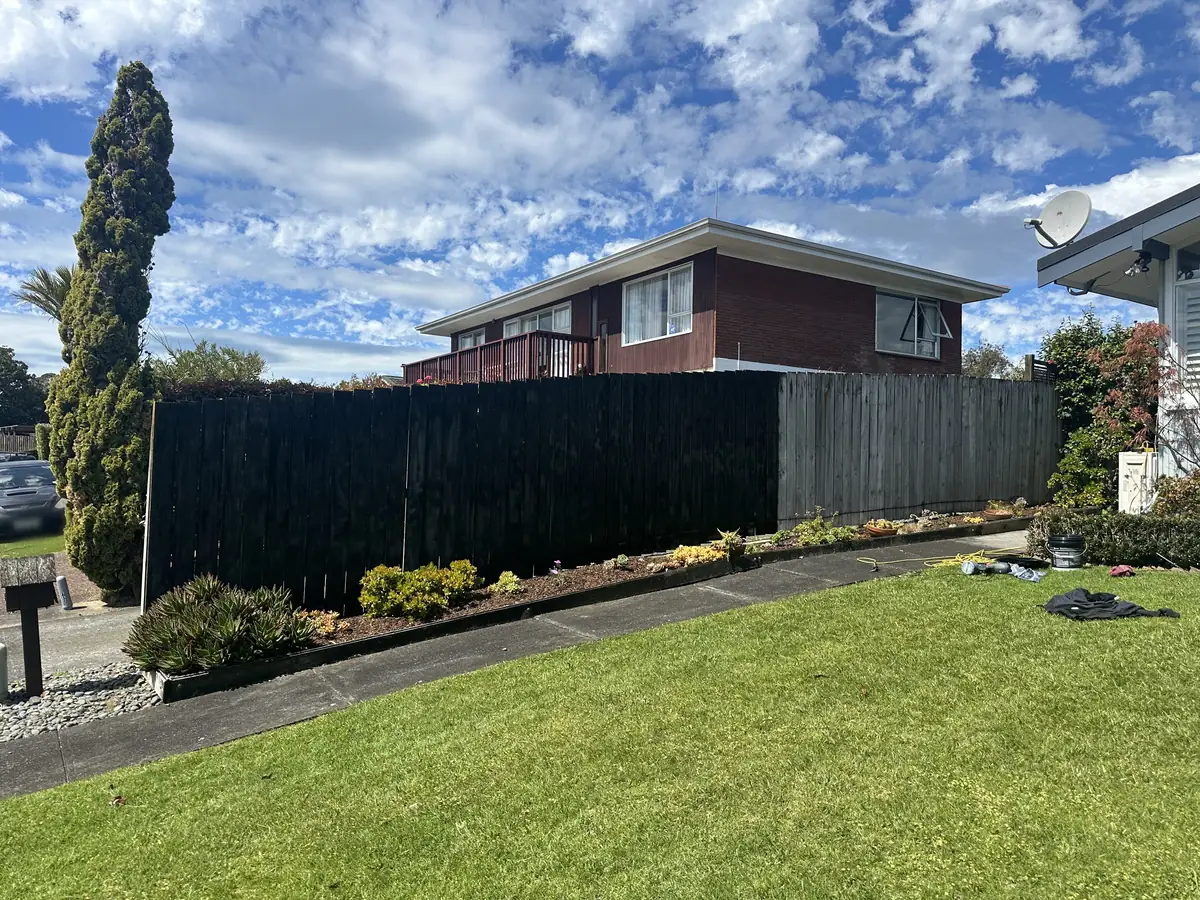
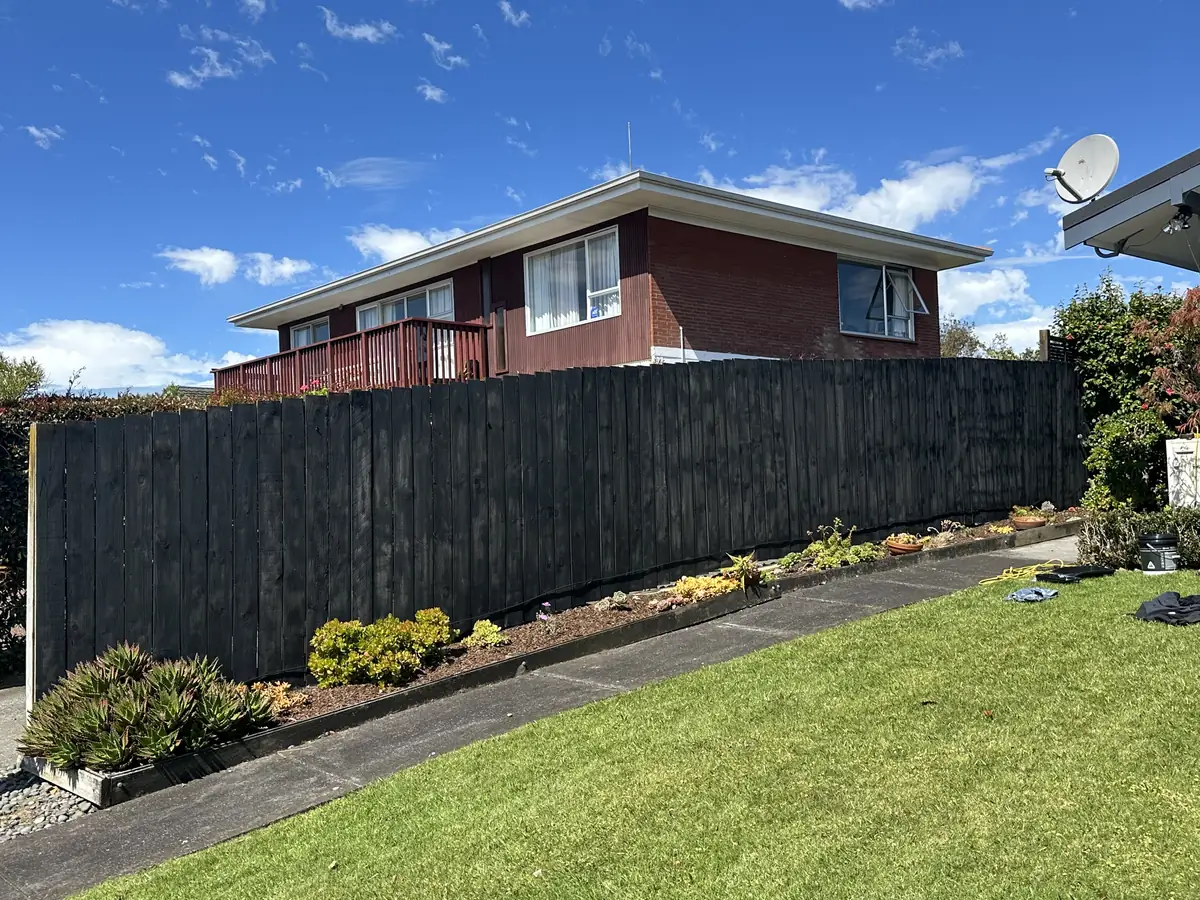
This is about as straightforward as a job gets on paper: one long run of paling fence, weathered grey, needs painting. The customer had already bought everything — paint and materials were all supplied, so the quote was for the work only.
A spray gun is the right tool for a fence this long. A brush or a roller has to find its way into every gap between the palings and around every rail, and on a run of this size that is where the day disappears. A gun lays an even coat over the face and into the gaps in one pass, and it does not leave brush marks across timber that has gone rough with age.
What it does not do is think for itself. Everything a spray gun throws that misses the fence lands on whatever is behind it, so the real work on a job like this is everything that happens before the trigger is pulled.
Here that meant the garden. The inside of the fence had trees and shrubs planted right up against it, the whole way along. Each one had to be worked around — covered, held back, or sprayed around by hand where it was too close to do anything else — and that is slower than walking a gun down an open run. On a clear fence this would have been about six hours. With the planting it was eight.
The other part worth mentioning is where the fence meets the house. The long run only ever gets seen from one side, but the sections that return to the house, and both gates, are seen from both — so those were painted front and back rather than face only.
Eight hours, $700 for the work, materials supplied by the customer, done on my own.
More on when a gun actually beats a brush, and when it does not: Is Spray Painting a Fence Faster Than a Brush?