About This Job
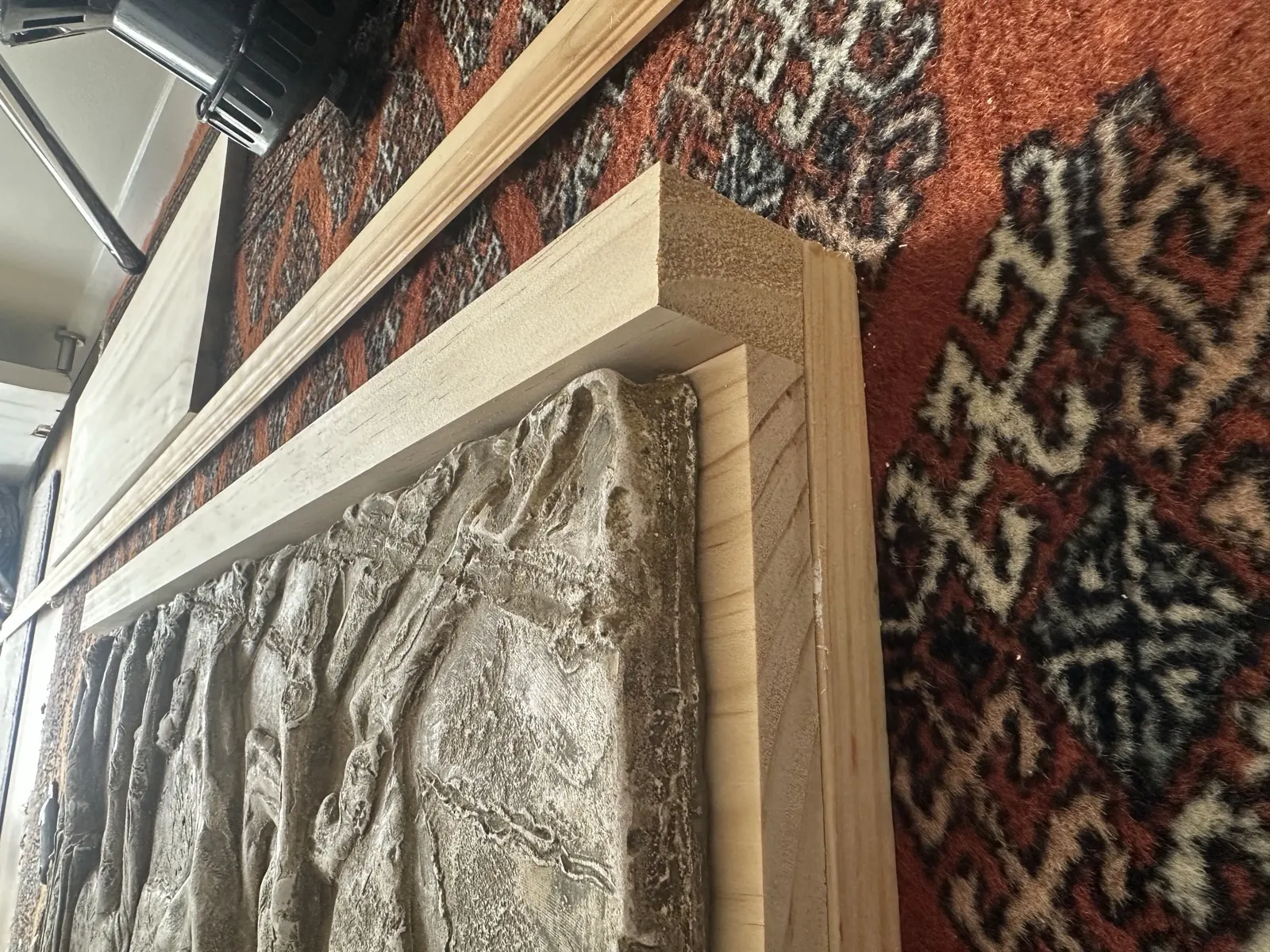
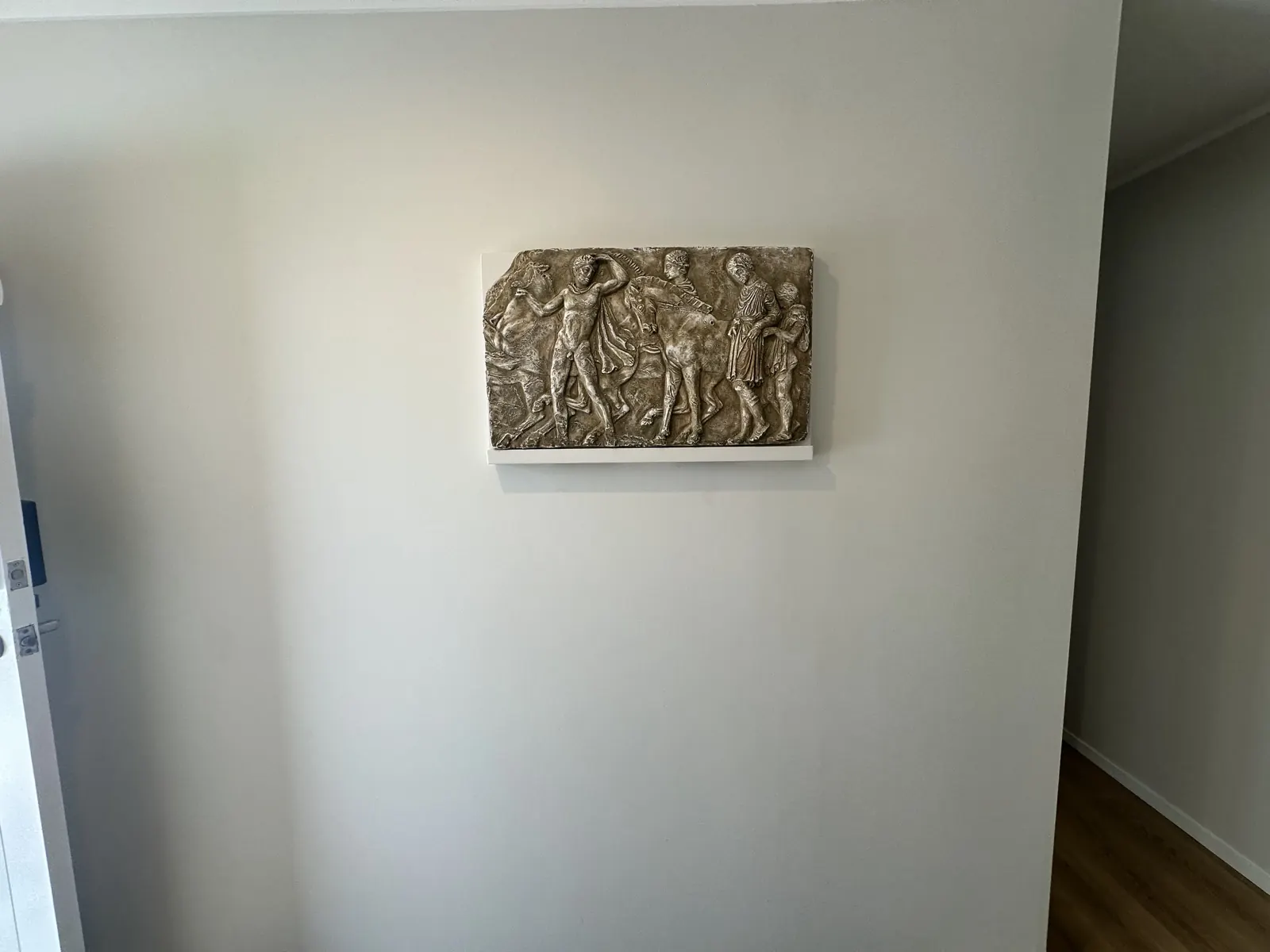
The piece is a cast relief panel — a solid slab, somewhere between eight and ten kilograms, with a rough cast edge and nothing on the back to hang it by. No wire, no D-rings, no rebate. Nothing an off-the-shelf frame is built to take.
That weight is the whole problem. A normal picture hangs off two points near its top edge and the frame carries the load in tension. Ten kilograms of casting does not work like that: hang it from the top and everything — the fixings, the frame, the wall lining — is being pulled on by a load that never lets go. Something eventually gives, usually the plasterboard.
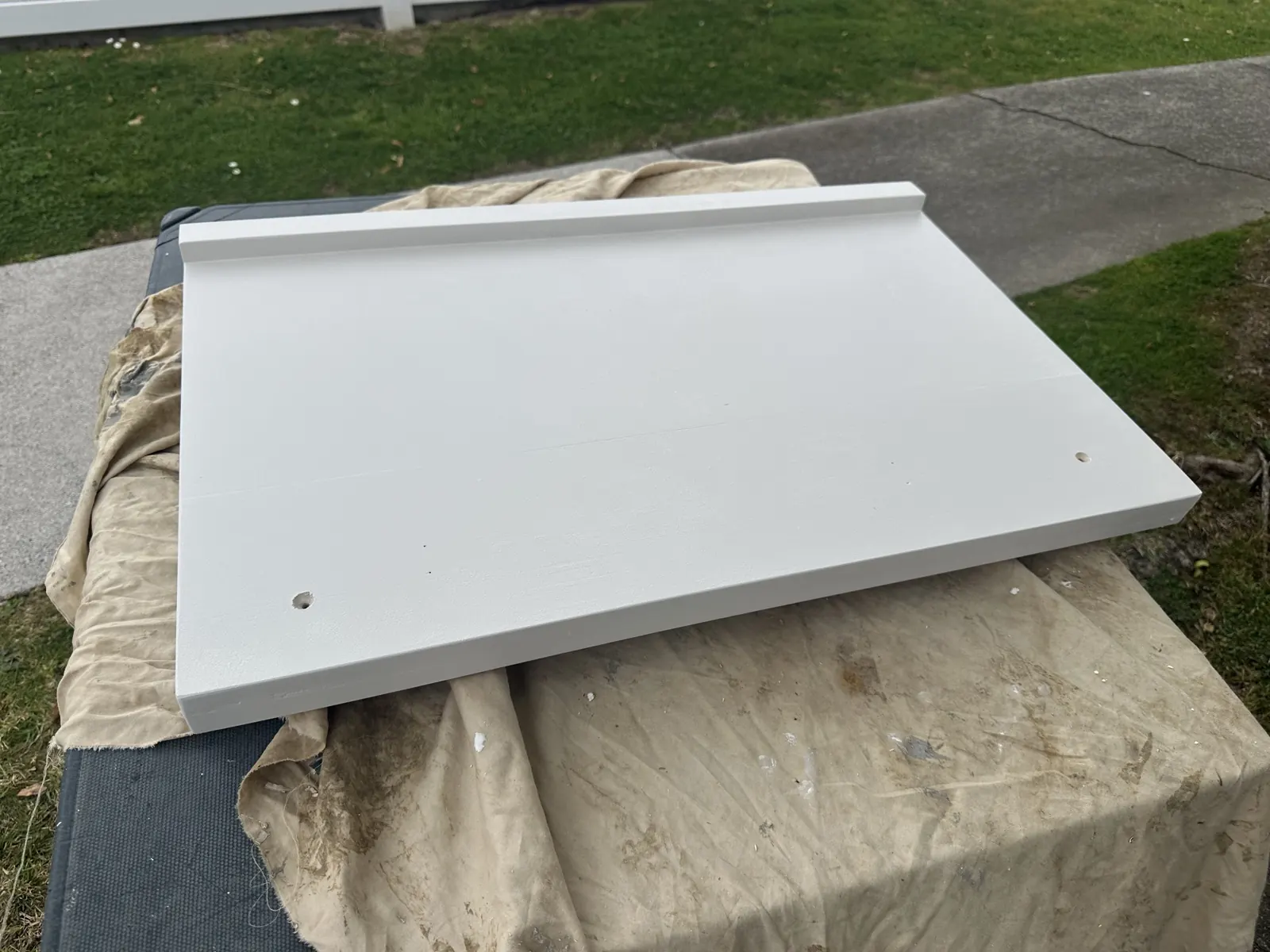
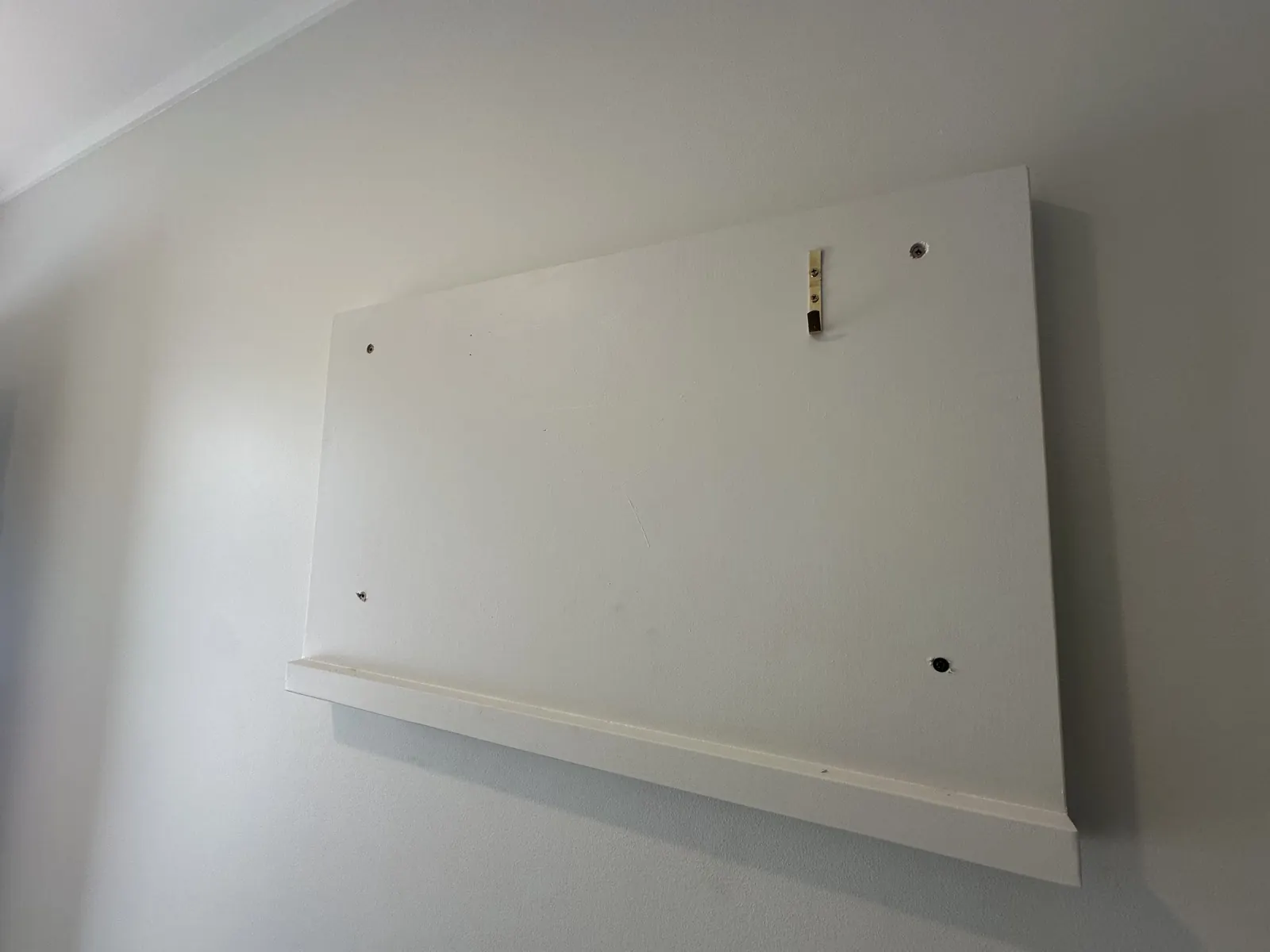
So the frame was built to hold the panel up from below rather than hang it from above. A ledge runs along the bottom edge and the casting sits on it, the way a shelf carries a book. The sides and the backing board keep it in place; the ledge takes the weight. Everything above the ledge is doing very little work, which is exactly the point.
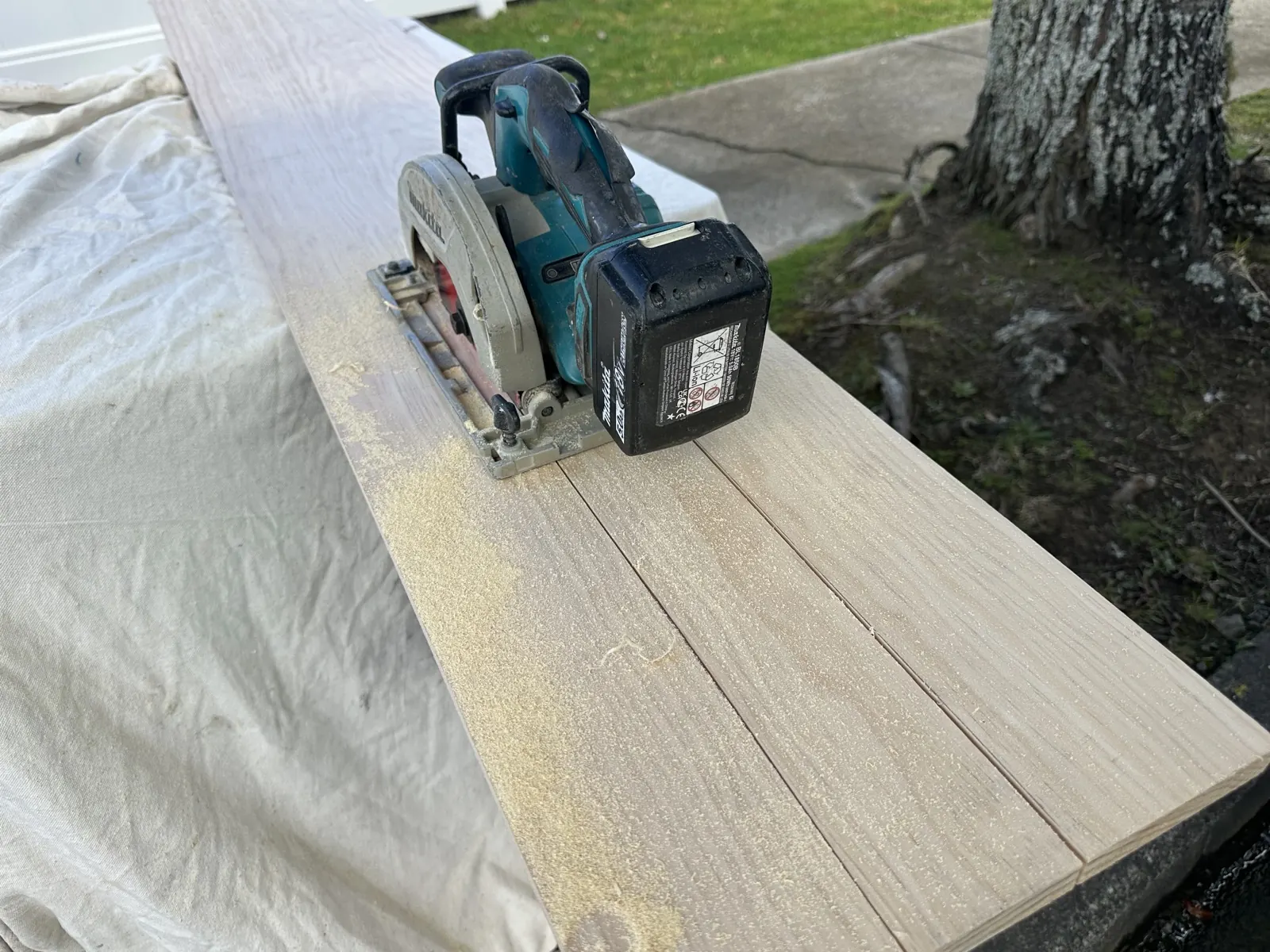
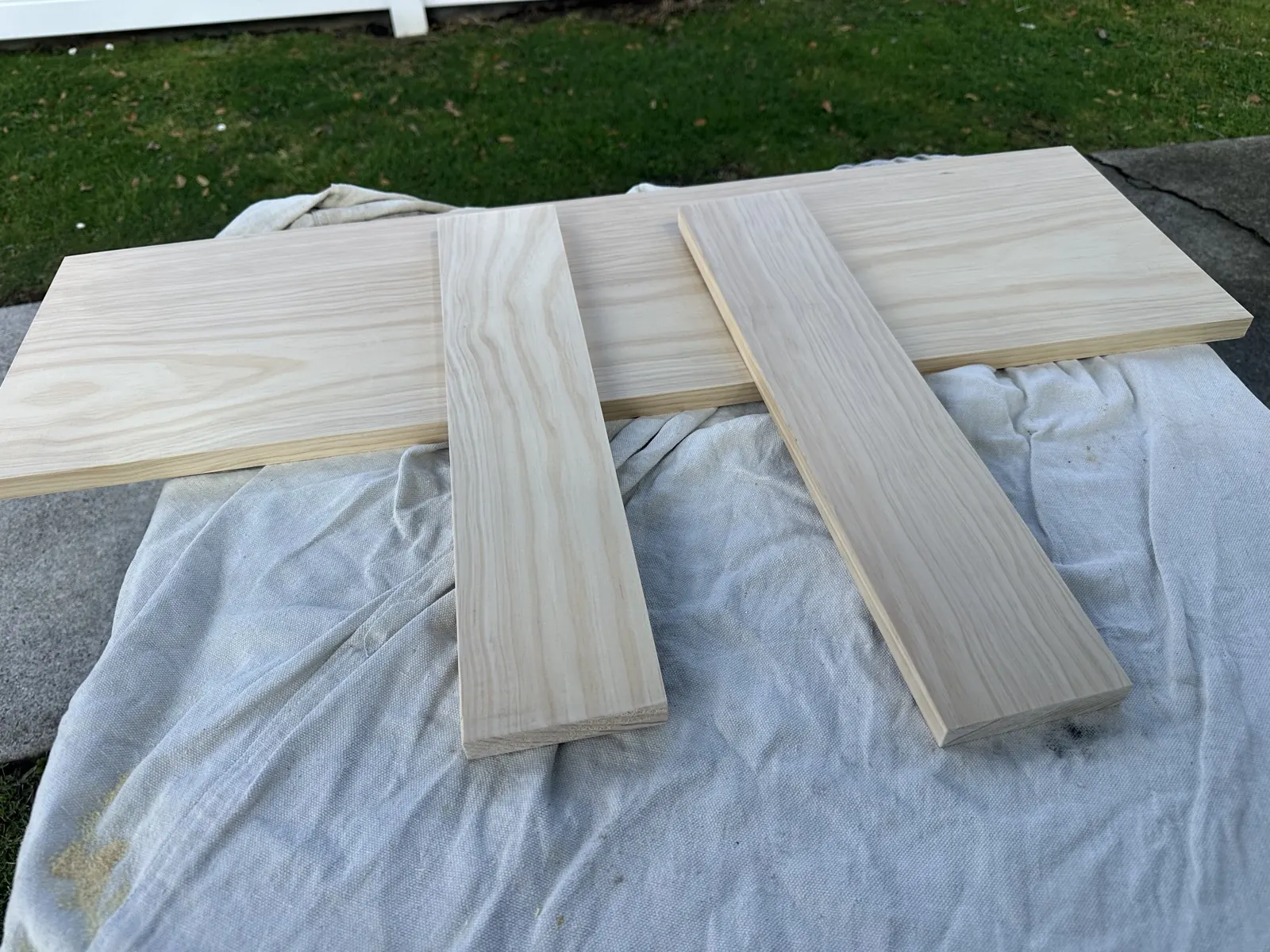
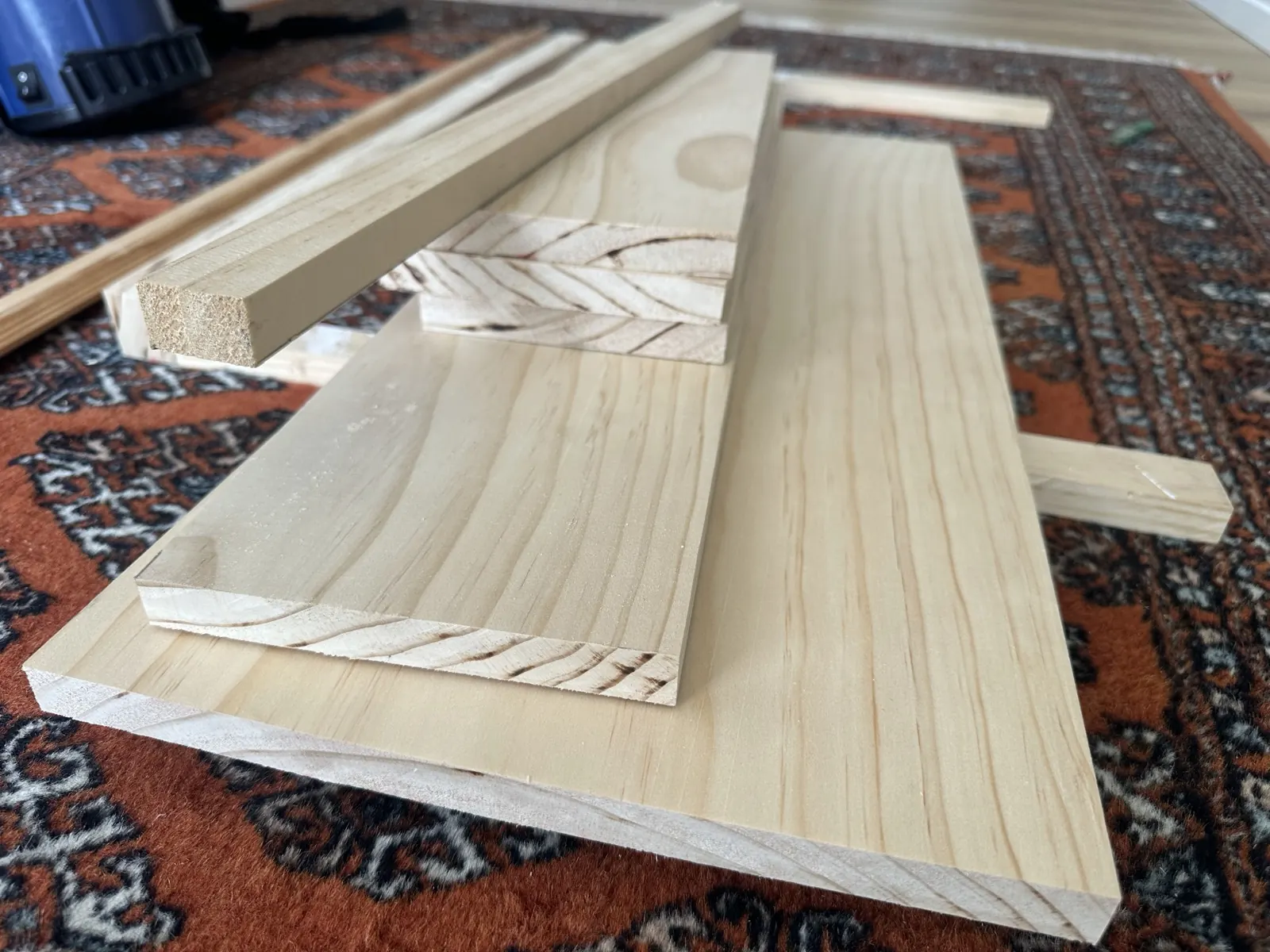
The timber was cut to the panel, not to a standard size — every piece measured off the casting itself, with a rebate for it to sit into. Once assembled the joints were filled, primed and given two coats of Dulux, mixed by number to the existing wall colour so the frame reads as part of the wall and the casting is what you look at.
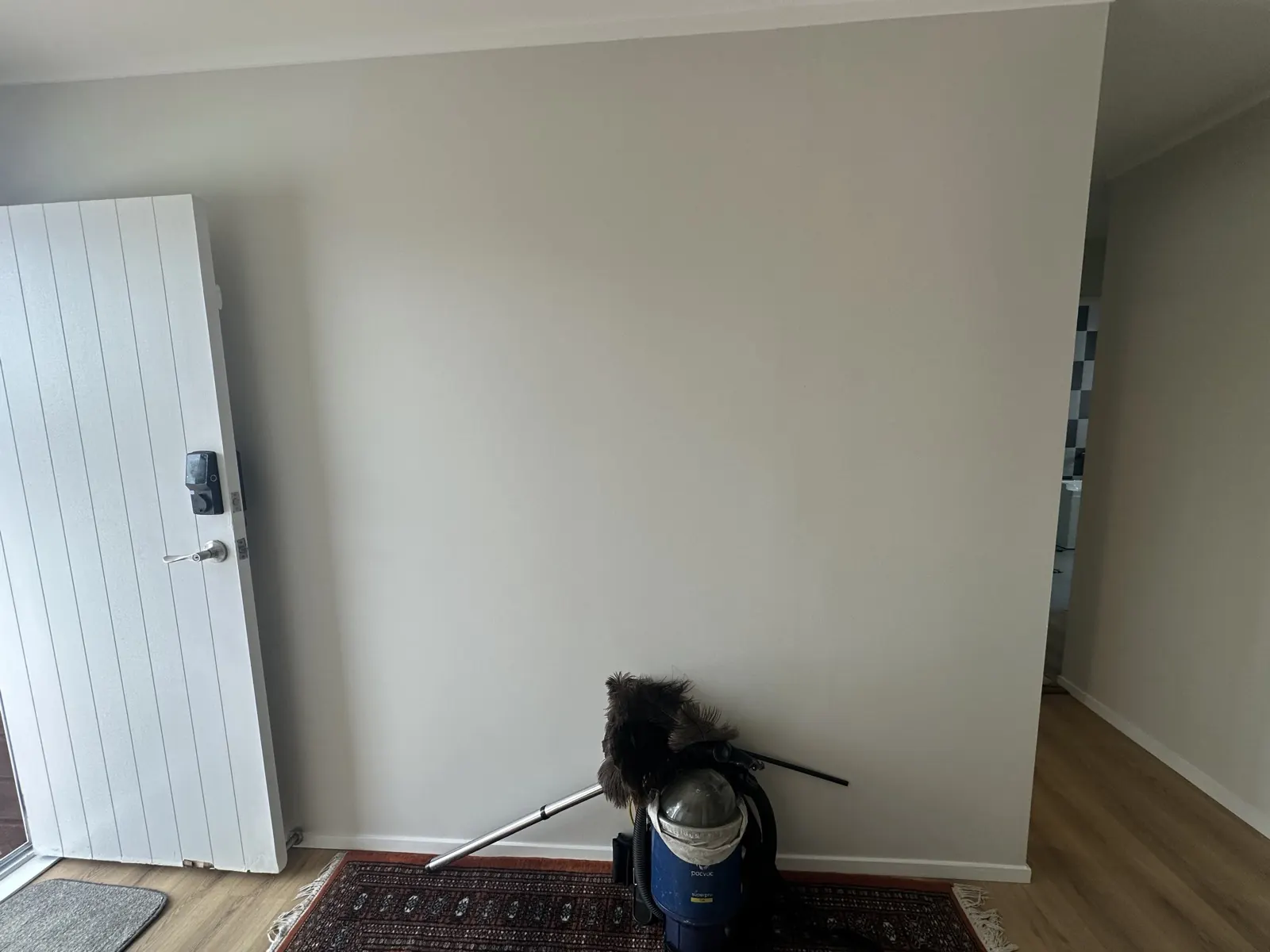
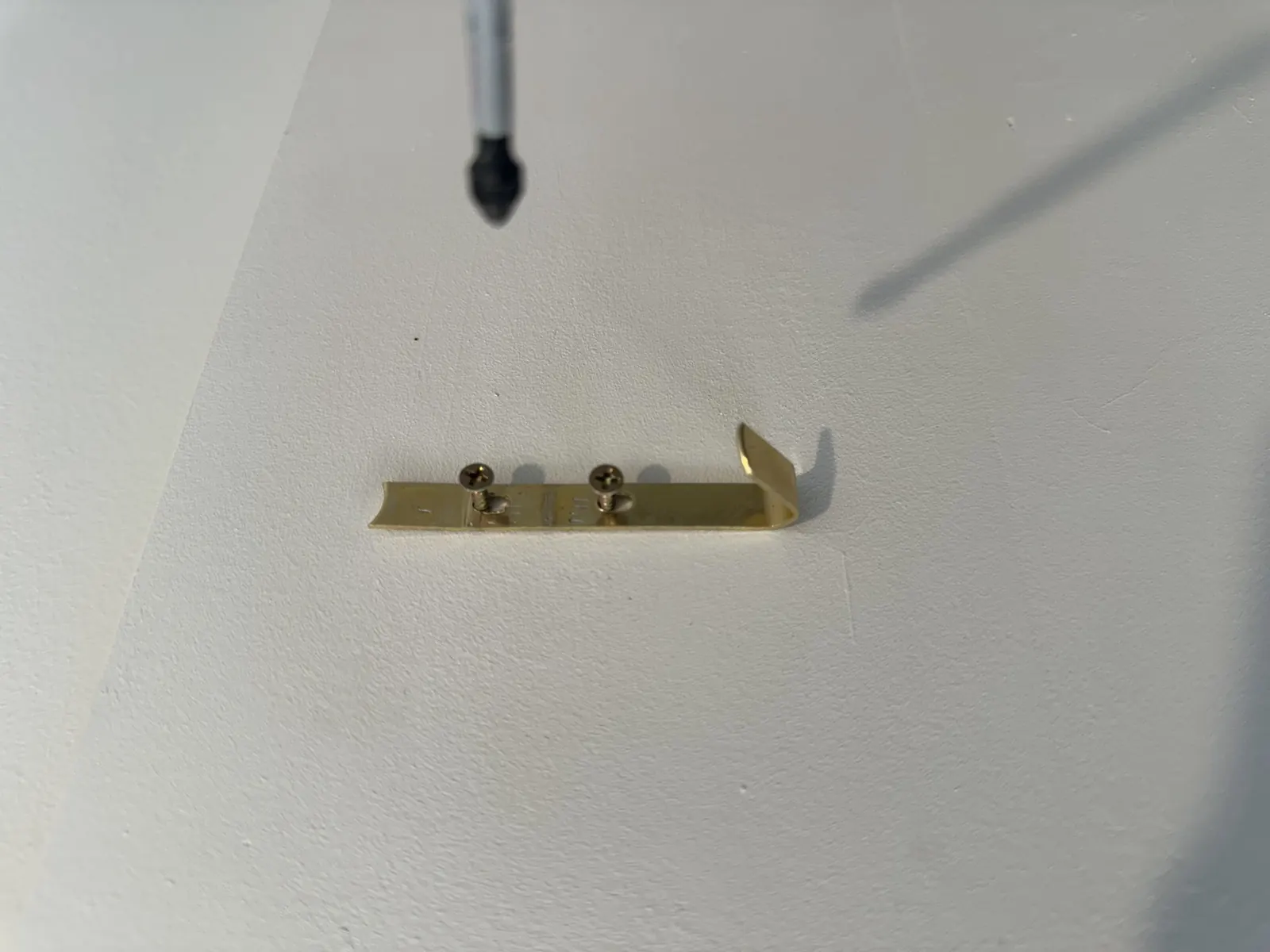
Then the fixings. Brass hooks went into the wall, positioned and levelled first, and the frame went on to them. Three and a half hours from first cut to the panel sitting in place, done solo.